Heavy Is The Headies That Wears The Crown
Awards are strange inventions. They are, at once, monuments and mirrors that immortalize excellence while reflecting the values of the institutions that bestow them. In music, where art often escapes measurement, awards become society's attempt to pause time and point at greatness. They are our way of saying: this mattered. For almost twenty years, The Headies has occupied a unique place in African music. Long before Afrobeats became the soundtrack of global festivals, before sold-out arenas around the world became routine, before the world's biggest labels began setting up African divisions, The Headies was here. It was documenting the culture. Preserving moments. Handing flowers to artistes when the world was barely paying attention. Its archives are important chapters in the story of Nigerian music.
That is why criticism of the institution comes from a place deeper than outrage. It comes from investment. The conversation surrounding The Headies today is no longer about relevance. It definitely still remains the biggest and most recognizable music award platform to emerge from Africa and that is irrefutable. But prestige is not sustained by history alone; it is maintained through consistency. For awards shows, recognition is a sacred responsibility, every award handed out is a statement about what a culture chooses to celebrate and every omission is a statement too. When eligibility periods become confusing, categories overlap, judging criteria appear unclear, or operational mishaps overshadow artistic achievements, the focus shifts from the artistes to the institution itself.
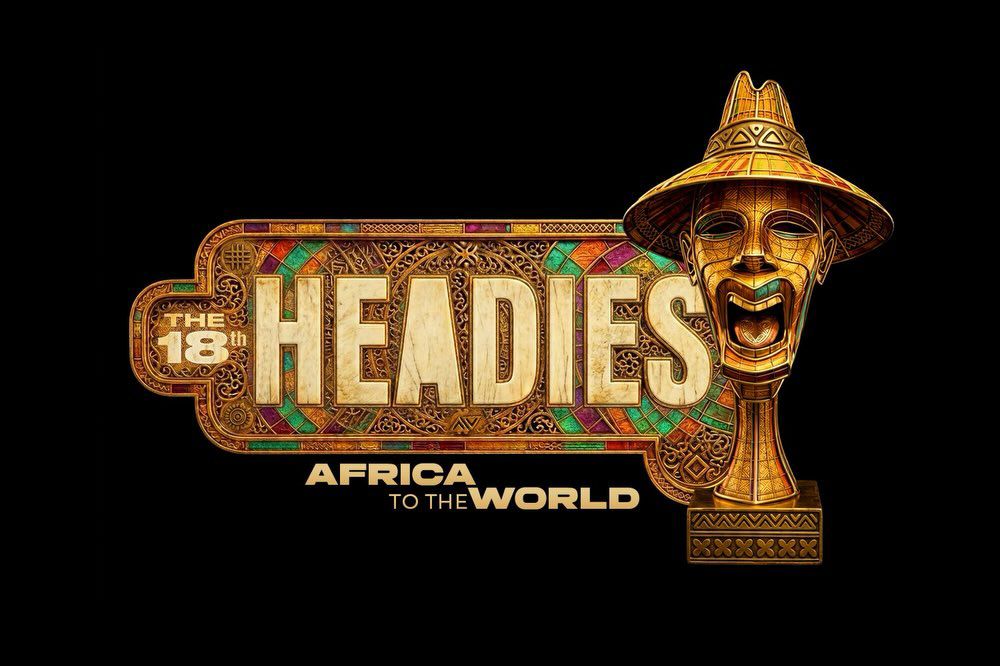
Now, mistakes are unavoidable, but when they become recurring it becomes something much more. Take the latest announcement of the 18th edition set to be held in Toronto for example, nobody is arguing against global expansion. Nigerian music belongs to the world now. Afrobeats has earned every international stage it occupies. But there is a difference between taking Nigerian music to the world and taking Nigerian music away from Nigerians, most especially if it's something you have tried and has had significantly bad reception from the locals.
Awards don't simply pass on as ceremonies. They are more like rituals, annual gatherings where a community pausesto celebrate itself. Where fans, journalists, executives, producers, songwriters, and artistes collectively acknowledge the year's excellence. Removing that occasion from its natural environment repeatedly risks weakening the very thing that gives it meaning. An institution cannot continuously ask for loyalty from a community while appearing indifferent to the community's concerns. In retrospect, one begins to wonder whether the organizers are listening. Because criticism has been loud, consistent and very much reasonable, yet the response appears to be another plane ticket. This is particularly disappointing because what African music needs right now is more institutional strength. The Headies should be improving transparency. Clarifying eligibility. Publishing clearer judging frameworks. Investing in production. Building trust. Strengthening operations. Creating an experience worthy of the artistes whose careers it seeks to immortalize and audience that it has cultivated over the years.
Despite everything, abandoning The Headies would be foolish. For all its flaws, there is no African music award with its historical significance. No platform that has consistently documented nearly two decades of Nigerian popular music at this scale. No institution whose wins and nominations still carry such symbolic weight. The answer is not to tear it down. The answer is to demand more from it. The Headies remains Africa's biggest music award, that much is undeniable but this writer‘s concern is whether it wants to remain Africa's most trusted one. The culture has given The Headies nearly twenty years of belief. The least the institution can do is return that loyalty.